Planning An Extension? Why The Roof Design Matters

Extending your home is an exciting opportunity to gain more space, boost property value, and tailor your living environment to your lifestyle. Whether you’re adding a kitchen extension, loft conversion, or garden room, one critical element often gets overlooked: the roof.
Your extension’s roof isn’t just a protective layer—it plays a major role in energy efficiency, structural integrity, and how well the new space blends with your existing home. Here’s why roof design matters, and how Metrotile can help you get it right.
1. Blending Old with New
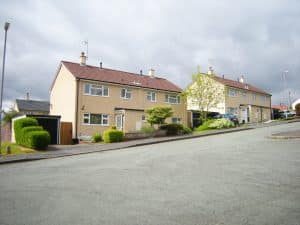
A well-designed extension should look like a natural part of your home—not an afterthought. That’s why choosing a roofing material and profile that matches or complements your existing roof is key.
Metrotile offers a wide range of lightweight steel profiles that mimic the appearance of traditional materials like slate, clay, and wood — so your new extension can maintain continuity with your property’s aesthetic, whether it’s a modern build or period home.
2. Overcoming Low-Pitch Roof Challenges
Many single-storey extensions require low-pitch roof designs due to height restrictions, especially near boundary lines or under permitted development rules. The problem? Not all roof tiles are suitable for shallow pitches.
Metrotile’s systems are specifically engineered for pitches as low as 10°, providing exceptional weather resistance and performance even when space is limited. This makes them ideal for lean-tos, wraparound extensions, and garden buildings.
3. Speed and Ease of Installation
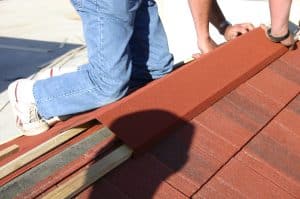
Time is money—especially during a home extension project. Metrotile’s roofing systems are lightweight, easy to handle, and quick to install. This not only helps reduce labour costs, but also minimises disruption to your home life during construction.
Plus, because the tiles interlock and require fewer fixings, installation can often continue in weather conditions that would delay traditional roof builds.
4. Structural Load Considerations
Traditional roof tiles can be heavy—especially for timber-framed or small-scale extensions. Overloading can lead to structural issues or require expensive reinforcements.
Metrotile’s steel tiles weigh around one-seventh the weight of traditional tiles, making them ideal for lightweight roof structures, SIP panels, and modular buildings. Despite their low weight, they offer outstanding durability and strength.
5. Future-Proofing with Solar Options
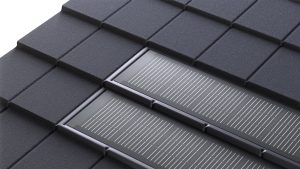
If your extension is south-facing or has good solar potential, it’s worth thinking long-term. Metrotile’s eQube solar tile offers a sleek, integrated way to generate your own electricity, without the need for bulky panels.
The eQube tile fits seamlessly into the Qube profile roof, delivering a discreet and modern solution to boost your home’s energy performance.
Final Thoughts
When planning a home extension, the roof is more than just the finishing touch—it’s a functional, aesthetic, and structural decision that deserves just as much attention as the floorplan. With Metrotile, you get the flexibility, performance, and peace of mind to ensure your new space is built to last—and built to look great.
Ready to design your extension’s roof? Contact Metrotile today for expert advice and material recommendations tailored to your project.