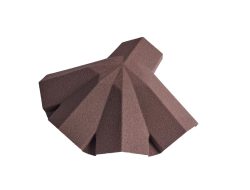
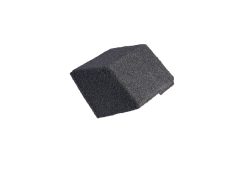
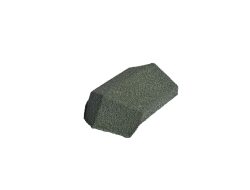
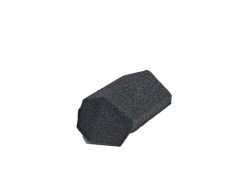
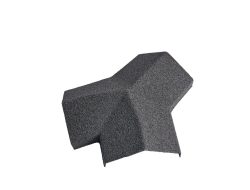
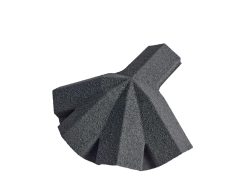
Roof cappings are pre-formed accessory pieces used to neatly finish key areas of a metal roof, including the ridge, verges, hips and complex junctions where roof lines meet. On a hip capping roof, these components are especially important, as multiple angles and edges need to be sealed correctly to prevent water ingress.
Their primary purpose is to ensure the roof is fully closed off, secure and watertight. A properly installed metal hip cap or ridge capping prevents wind-driven rain from penetrating beneath the tiles and protects the structure below. Without the correct cappings in place, even a well-installed roof can become vulnerable over time.
Roof cappings also play a major role in installation efficiency. Using pre-formed components, such as a metal roof hip cap, eliminates the need for on-site cutting and shaping, speeding up installation while delivering a cleaner, more consistent finish.
Different roof shapes require different capping solutions. For example, understanding hip cap vs ridge cap requirements is essential: ridge caps are used along the apex of the roof, while hip caps are fitted where two roof slopes meet on a hipped roof.
Common metal roof cappings include:
Choosing the correct size capping is just as important as choosing the right type. To keep the roof watertight, each hip cap roof detail must align precisely with the ridge or hip it’s finishing.
Pre-formed cappings are available in different widths to suit various ridge and hip systems:
Using the correct hip cap metal roof accessories ensures long-term performance, weather resistance and a professional finish—providing a simple, reliable way to complete a lightweight metal roof system with confidence.