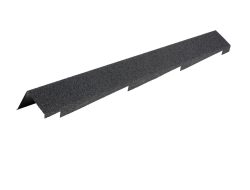
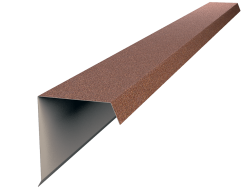
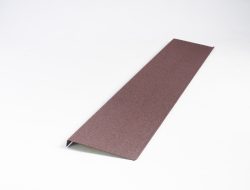
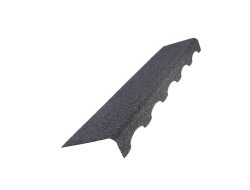
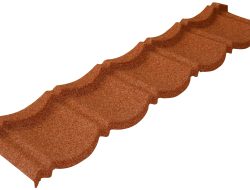
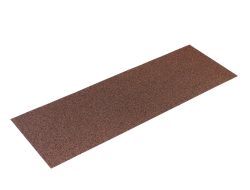
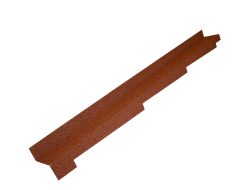
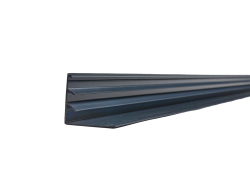
Roof flashing refers to a range of detailing components used to cleanly finish and secure key areas of a roof, including the verges, eaves, ridge and any junctions where the roof meets another surface. Simply put, flashing on a roof is there to protect vulnerable areas and guide water safely away from the building.
So, what is flashing on a roof in practical terms? It’s a protective barrier, usually metal, installed at joints and edges to prevent moisture from entering the structure. Without correctly fitted roofing flashing, rainwater can penetrate gaps around roof edges or walls, leading to damp, staining and long-term structural issues. This makes flashings especially critical in areas exposed to wind-driven rain.
On lightweight steel roofing systems, using the correct metal roof flashing is essential for maintaining both performance and appearance. High-quality steel roof flashing is durable, corrosion-resistant and designed to move with the roof, ensuring long-lasting weather protection.
Metrotile UK supplies purpose-designed flashing for roof applications that integrate seamlessly with its lightweight steel roof systems. These components are engineered for easy installation, a clean finish and dependable performance, all covered by Metrotile’s 40-year weatherproof guarantee.
There are several roof flashing types, each designed to protect a specific part of the roof:
Manufactured to match Metrotile roof profiles and finishes, each roof flashing is lightweight, durable and easy to install. Together, these flashings ensure the roof performs as a complete system, not just a surface covering, delivering long-term protection, watertight detailing and a consistently high-quality finish.