Roofs are more than just the top layer of a house — they protect, insulate, and define the aesthetic of a property. Yet, one of the most overlooked components is the roof ridge. Many homeowners and builders don’t fully understand the role of ridge tiles on a roof, how ventilation works, or the differences between traditional mortar systems and modern dry ridge systems.
In this guide, we’ll break down everything you need to know about roof ridges, from the basics to advanced solutions, including types of ridges, ridge cappings, and ventilation. We’ll also explore Metrotile’s dry ridge system, showing why it’s a durable, easy-to-install choice that keeps your roof secure, efficient, and visually appealing.
By the end, you’ll have the knowledge to choose the right ridge to suit your roof; whether it’s for a new building or a re-roofing project.
Table of Contents
A roof ridge commonly refers to the highest point of a roof where two sloping sides meet. Roofs, unless a simple up-and-over, will commonly have multiple ridges due to the roof shapes. Think of it as the “spine” of your roof. Ridge tiles on roofs serve both functional and aesthetic purposes:
Without properly installed roof ridge tiles, even a well-built roof can leak or suffer from reduced airflow, leading to condensation problems. A properly finished ridge also contributes to the roof’s wind resistance and longevity.
So, how do you know which ridge system is right for your roof? Let’s explore the types.
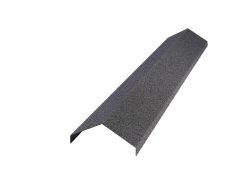
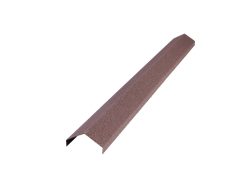
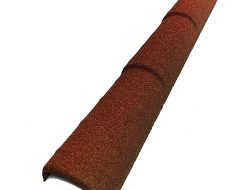
Ridge tiles come in several shapes and finishes to suit both practical and stylistic requirements:
Ridge capping refers to the materials used to seal off the ridge line on a roof, these can be the ridge tiles themselves or specially formed end pieces that provide a matching aesthetic at the gables. They help prevent water ingress, ensuring a neat appearance, and often incorporate ventilation. Modern roofing ridge caps can be dry-fix, metal, or mortar-based.
Traditionally, ridge tiles and cappings were fixed using mortar, creating a rigid but weather-resistant bond. However, mortar ridges have downsides:
Alternatively, the more commonly used approach now in the UK is a dry ridge system. This modern solution uses mechanical fixings (screws and nails via hand-nailing or a nail-gun) rather than mortar to secure the ridge tiles. Key benefits include:
Some installers may encounter dry ridge system problems, typically related to poor ventilation or incorrect fixing, but when installed correctly (as with Metrotile’s system), these issues are minimised.
When dealing with a single-pitch, free-standing roof, you may be wondering what ridge tiles to use for a mono ridge. The solution is often simple – mono-ridges offer the same water-tightness, aesthetics and durability of angled ridges on the sloped side of the roof. The only difference to a ridge for a dual pitched roof is that a mono-ridge drops down vertically to neatly cap off and seal the peak.
Mono-ridge tiles offer a solution for providing security and ventilation at the ridge of a single-pitch roof, whilst functionally capping the vertical edge.
An apex roof is where two roof slopes meet at a central peak. The ridge here forms the topmost horizontal junction, making it the most critical part for:
Proper ridge capping and choice of roof ridge tiles are essential on apex roofs to maintain performance and aesthetics.
Proper ventilation is a key factor often overlooked when choosing roofing materials, and the apex of the roof is the perfect place for allowing clear airflow. A roof ridge cover with integrated ventilation allows air to flow out of the roof cavity, preventing condensation and helping insulation perform efficiently.
Metrotile recommends:
This system ensures your roof stays dry, ventilated, and efficient for decades.
Metrotile’s dry ridge system combines innovation, durability, and style:
Benefits:
Installation of a metal roof ridge cap has never been easier or more reliable, and the system works across both domestic and commercial applications.
Q1: What is the difference between dry ridge and mortar ridge systems?
A: Dry ridge systems use mechanical fixings and ventilation strips instead of mortar. This makes them more durable, easier to install, and less prone to cracking over time.
Q2: Why is ridge ventilation important?
A: Proper ridge ventilation prevents condensation, protects insulation, and prolongs roof life. Metrotile recommends 25mm continuous ventilation at ridge and eaves.
Q3: Can I use barrel ridges on all roof types?
A: Barrel ridges are versatile and can commonly be used on any pitched roof as long as the battens are set out correctly. When using a more profiled roof tile, such as Metrotile’s Roman roof tile, the barrel ridges are recommended as they compliment and help ensure an easier installation on the curved profile.
Q4: What is a mono-ridge?
A: A mono-ridge is a a ridge capping used on a single-pitch, free-standing roof that is angled on one side and comes down vertically on the other to seal the ridge.
Q5: Do I need foam fillers in a dry ridge system?
A: Foam fillers may be used at the top course to ensure watertightness, especially where ridges meet angled or complex roof profiles.
Roof ridges are a critical but often overlooked part of your roof’s structure. From ridge tiles on roof to proper ridge ventilation and closures, the choices you make affect your roof’s longevity, efficiency, and appearance.
Metrotile’s dry ridge system, with options like barrel ridges and angled Delta and Veranda ridges, offers a modern, reliable solution. Easy to install, durable, and compatible with our full range of tile profiles, it keeps your roof ventilated, watertight, and visually appealing for decades.
Whether you’re upgrading an existing roof, building a new home, or specifying for commercial projects, Metrotile’s dry-fix ridge solutions provide peace of mind and long-term performance.