Throughout a home, air naturally moves through windows, trickle vents and extractor fans, and the roof should be no different. Because heat rises, the roof space is often the warmest part of a building. Without proper pitched roof ventilation, warm, moist air can become trapped, leading to condensation, damp, mould growth and long-term damage to the roof structure.
Correct ventilation allows warm air to escape and cooler air to circulate, helping regulate temperature and protect insulation, timbers and roofing components over time.
Effective roof ventilation relies on creating a continuous airflow path through the roof structure. This starts by laying tiles on battens to create an air gap, typically a minimum of 25 mm, above the roofing membrane.
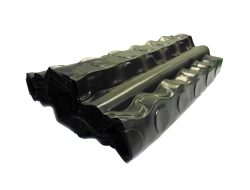
Ventilation is then introduced at both the eaves and the ridge. As cooler air enters through roof eaves vents, it warms naturally within the roof space, rises through the air gap and exits at the ridge via a roof ridge vent or tile ridge vent. This continuous movement of air prevents moisture build-up and keeps the roof space dry.
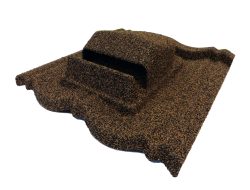
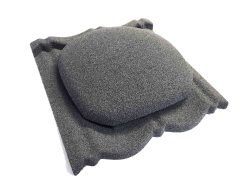
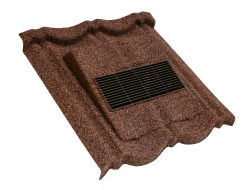
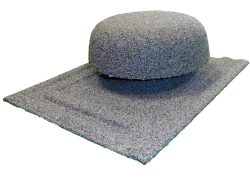
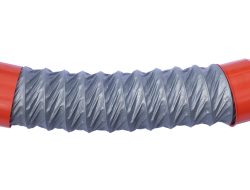
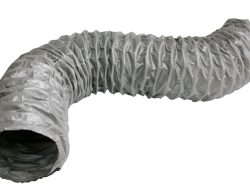
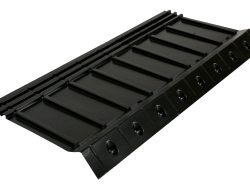
An additional solution commonly used on residential and commercial buildings is roof tile vents. These vented roof tiles are installed in-line with the roof covering and provide targeted airflow points, allowing stale, moist air to escape while fresh air enters. A roof tile vent can also be connected to ducting or extractor fans, making it ideal for kitchens, bathrooms and utility rooms.
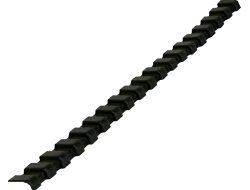
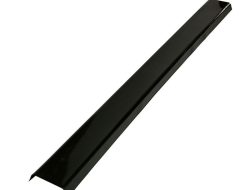
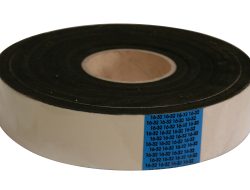
Metrotile UK offers a comprehensive range of ventilation products designed to integrate seamlessly with lightweight metal roof systems and support long-term roof performance.
Available options include:
Correctly specified tile roof vents, ridge ventilation and eaves ventilation all work together to ensure a roof performs as intended. With the right ventilation strategy in place, your roof remains dry, efficient and structurally sound, helping protect the building for decades to come.