What are typical lead times for roofing materials in the UK?

If you’re planning a roofing project, whether for a commercial building or a residential home, one of the most common questions is “How long will it take to get the materials and complete the installation?” Lead times for roofing products can vary significantly, depending on material type, supply chain pressures, and installation complexity. So, here’s a breakdown of current UK-market average lead times across common roofing materials and information on why they fluctuate so much – helping you prepare and keep on track with your next roofing project.
What’s the average lead time for roofing materials in the UK?
The most common roofing material in the UK in 2025 is as it has been for decades now, concrete roof tiles. Yet after the COVID-19 pandemic, supply of concrete tiles became difficult, and lead times sky-rocketed. Only now in 2025 according to recent reporting are lead times now on the way down again, with most manufacturers quoting up to ~3 months for supply of concrete tiles for larger scale projects, much less than the 24-30 week lead times of recent years.
This trend is similar across all major roofing materials, with supply following the global pandemic struggling to catch up with the growing demand until now. Materials that are more specialised such as clay roof tiles are noted for being under pressure still with certain clay profiles having extended lead times of over a month to suffice the import times and manufacturing process.
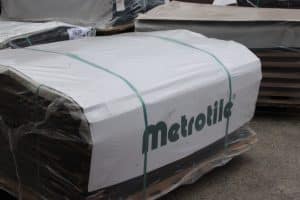
As with modern alternatives like lightweight steel roofing, the price and availability of sheet steel increased in recent years but has returned to a normal level as of 2025, with companies like Metrotile UK LTD offering next-day delivery on confirmed orders before midday for their roof tiles. As with other materials though, this is variable by the specific profile and volumes, with top-selling tiles such as the Metrotile Shingle & Metrotile Bond being readily available on short lead times, but profiles such as the Metrotile Slate .900, commonly used in the specification market for it’s anti-vandal features having up to a 4-6 week lead time.
The above lead times are just a guideline, with most materials being readily available from reputable trade centres and builders merchants on a 5-7 day lead time for DIY or residential projects. Larger lead times are more of a precaution for supply and availability for large scale roofing projects. But the question remains, why are lead times so variable between products and project types?
Why Are Lead Times Still So Unpredictable?
Even though some pressure has eased, supply chain complexity remains a major factor. Here’s what’s driving variation in lead times today:
-
Persistent product supply issues: The Construction Products Association continues to report that certain roof tile profiles are still on extended delivery times.
-
Production capacity constraints: While orders are stable or softening in places, some manufacturers are operating at or near full capacity — especially for energy-intensive materials like clay.
-
Logistics challenges: Shipping, customs, and haulage capacity all affect how quickly materials can be transported from factories (especially European ones) into the UK.
-
High variability in product types: Not every roof tile is the same — classic clay, heritage slate, or bespoke colours are often made-to-order, pushing lead times out.
What This Means for Your Project Planning
-
Order Early: Given lead time variability, it’s safer to place your order well in advance — especially for concrete or clay tiles.
-
Confirm Stock & Lead Time: Always check with your supplier for current lead times; quoted times can shift.
-
Factor in Installation Complexity: If you’re choosing heavier or more delicate materials (slate, clay), build in more installation days.
-
Choose Wisely for Speed: If you’re on a tight timeline, lightweight steel tiles can significantly reduce both waiting time for materials and installation time.
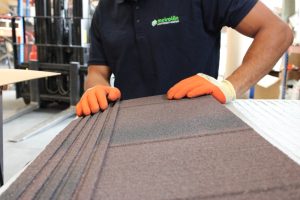
While lead times for roofing materials in the UK have stabilised compared to the extreme peaks of recent years, there is still significant variation between concrete, clay, slate, and lightweight metal systems. Traditional materials, especially clay and some premium slate products, continue to face longer manufacturing and supply cycles, while modern alternatives like lightweight steel tiles offer the fastest turnaround from order to installation.
For anyone planning a roofing project in 2026, the key is forward planning: confirm current lead times with your supplier, build additional time into schedules for heavier or specialist materials, and consider lightweight solutions if speed and efficiency are priorities. With the right preparation, you can keep your project running smoothly and avoid unnecessary delays — no matter which roofing system you choose.
References: