Roof Types
Flat Roof / F2P
- Extensions & Garages
- Commercial & Industrial Buildings
- High Rise Apartments & Flats
- Education & Retail Buildings
The main benefits of flat roofs relate to construction and materials costs, with flat roofing solutions typically requiring far less structural framing and fewer materials in general to construct the roof system. This in turn makes flat-roofing cheaper and quicker to install, making them appealing to clients, especially in public-funded markets where meeting high demand whilst keeping costs low are a driving factor.
Flat roofs also allow for far easier open roof access, making them an ideal solution for rooftop terraces, green roofs, and operational work spaces.
With apartment buildings and flats, the reason flat-roofing dominates those markets is simply due to the height. At any building above five stories tall, a pitched roof becomes a structural concern and potential safety risk due to maintenance concerns (depending on what roofing material is used) and safety in the wind at those heights. Additionally, getting the roof structure built up at height can be difficult, and simpler, flat, modular units make construction of high-rise properties easier.
Drawbacks of a flat roof system
Whilst we’ve discussed how a flat roof can in some cases provide an efficient, cost-effective roofing system, there’s also many features of a flat roof that over time can showcase its weaknesses in comparison with a pitched roofing system.
- Drainage Challenges: Whilst the name might be deceiving, barely any flat roofs are completely flat, most are usually at pitches of 5-6 degrees, however, due to this extreme low pitch, it is considered by UK building regulations as a flat roof due to the requirement of specialised waterproof membranes at that pitch in order to help with drainage. Pitched roofs can rely easier on gravity to help with drainage, whilst flat-roofs are at risk of water ponding, causing structural damage and requiring most frequent roof maintenance.
- Shorter Lifespan: Common materials on flat roofing systems in the UK consist of hot or cold melt bitumen, EPDM membranes, single-ply membranes and liquid-applied systems that cure to form a single membrane. Whilst all these options are simple for installation and are cost effective due to widely available materials, the big drawback they all face is their average and expected lifespan. Due to multiple contributing factors, the typical life expectancy for flat roofing materials is 20-30 years, which fails in comparison with pitched roofing materials like concrete, slate & lightweight steel roof tiles that will last an expected 40-60 years.
- Increased Maintenance: A combination of the issues with draining and lifespan of flat roofing materials is the increase in maintenance costs in comparison with pitched roofs. Standing water, blocked drains and damaged membranes mean flat roofs require far more regular maintenance, increasing costs over time for labour and materials.
How Flat-to-Pitch Roof Conversions add longevity to roofs
A flat-to-pitch roof conversion involves transforming an existing flat roof into a pitched roof structure. This is typically achieved by installing a lightweight steel or timber framework over the existing roof deck to create the new roof pitch, which is then felted, battened and tiled as a standard pitch roofing system. Large-scale flat-to-pitch systems on specification projects are designed by specialist roofing firms that create bespoke designs of the structure, layout and installation of the new pitched roof frame.
Homeowners and clients often choose a flat-to-pitch conversion to improve drainage, reduce the risk of leaks and extend the lifespan of the roof, as pitched roofs shed rainwater more effectively and generally require less maintenance than flat roofing systems; with most competent roofers able to create simple timber frames to convert a flat roof to a low-pitch one. These conversions are also popular for improving the appearance of an extension garage, or conservatory, helping the roof blend more naturally with the rest of the property.
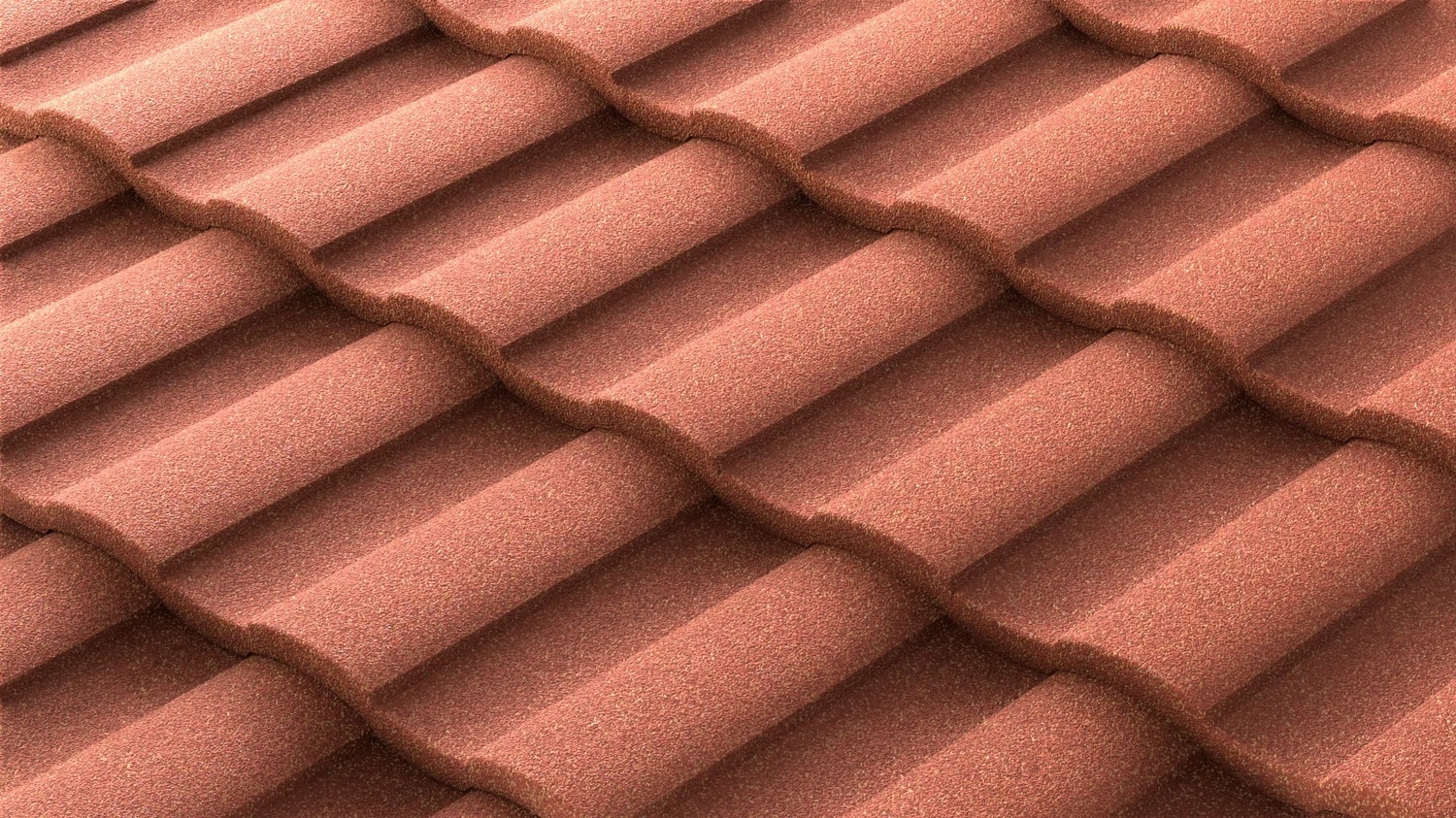
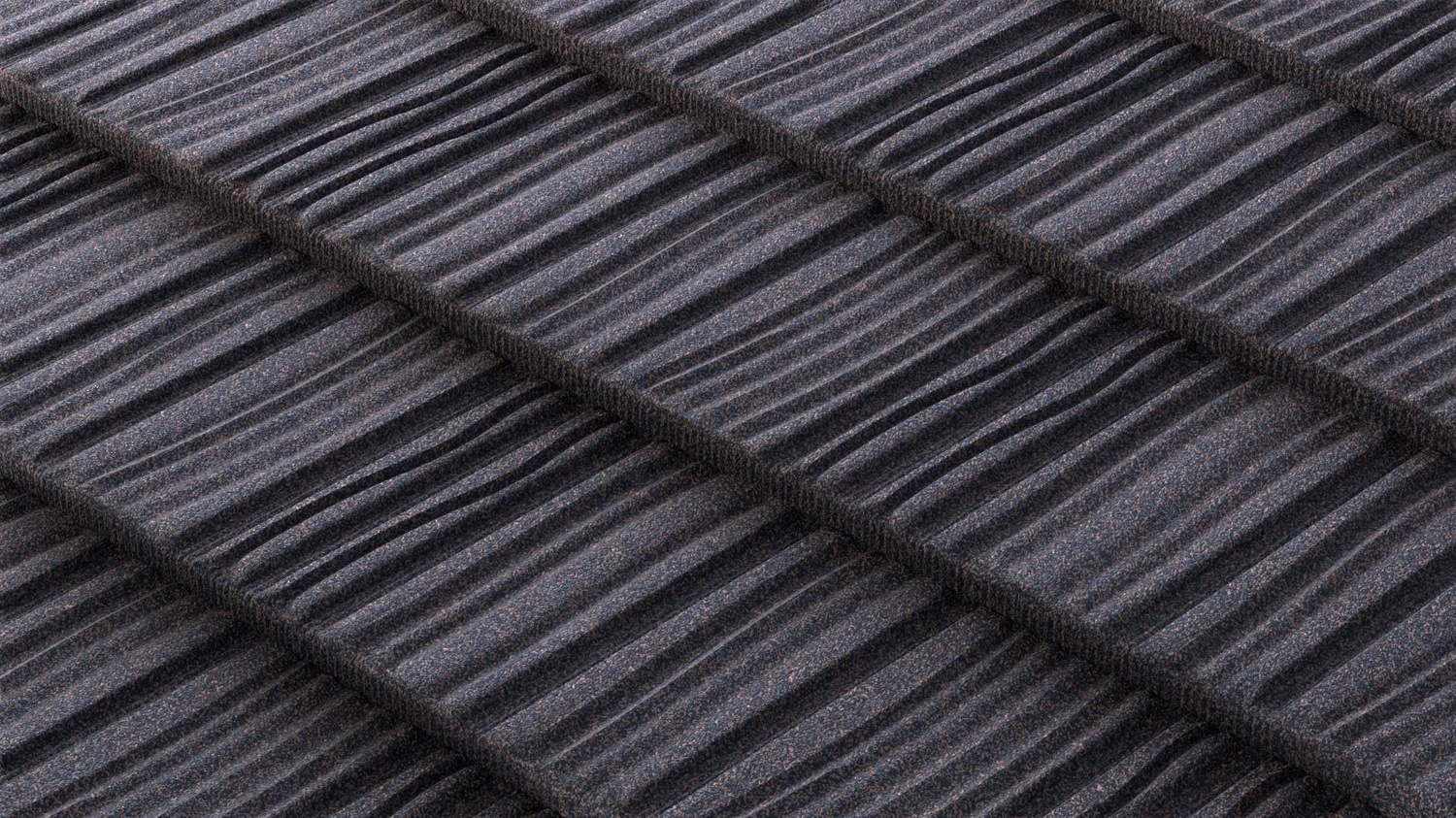
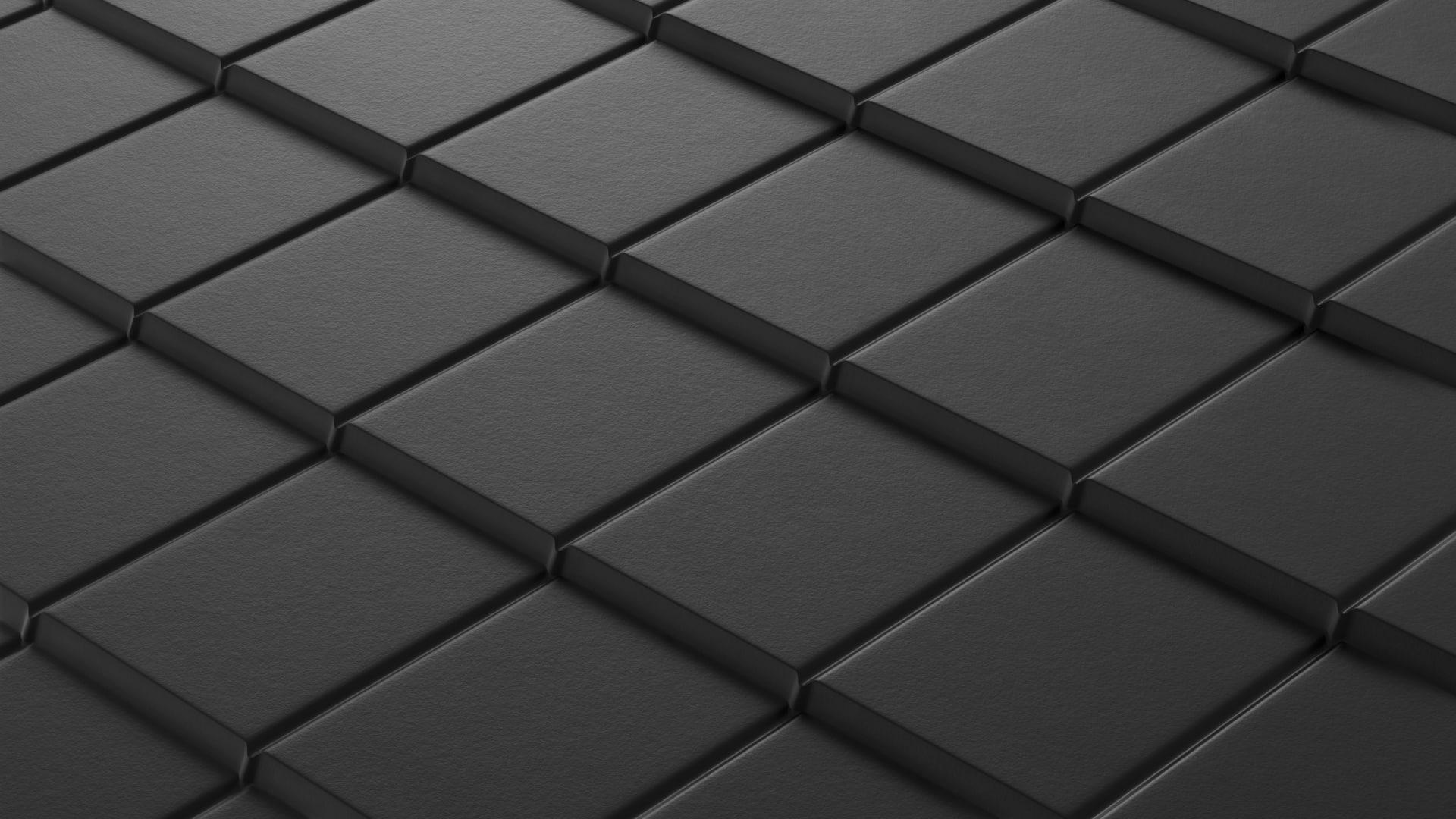
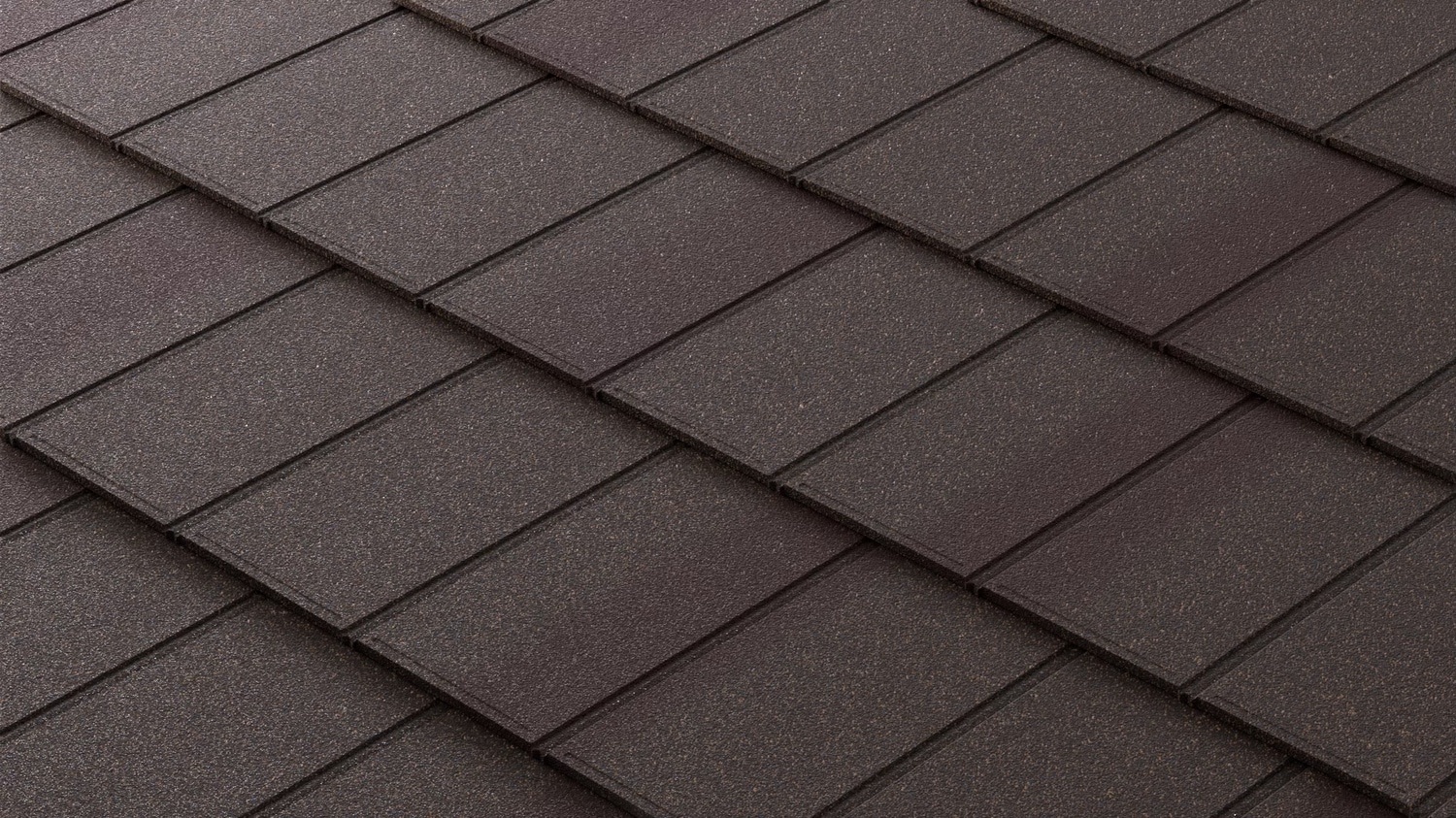
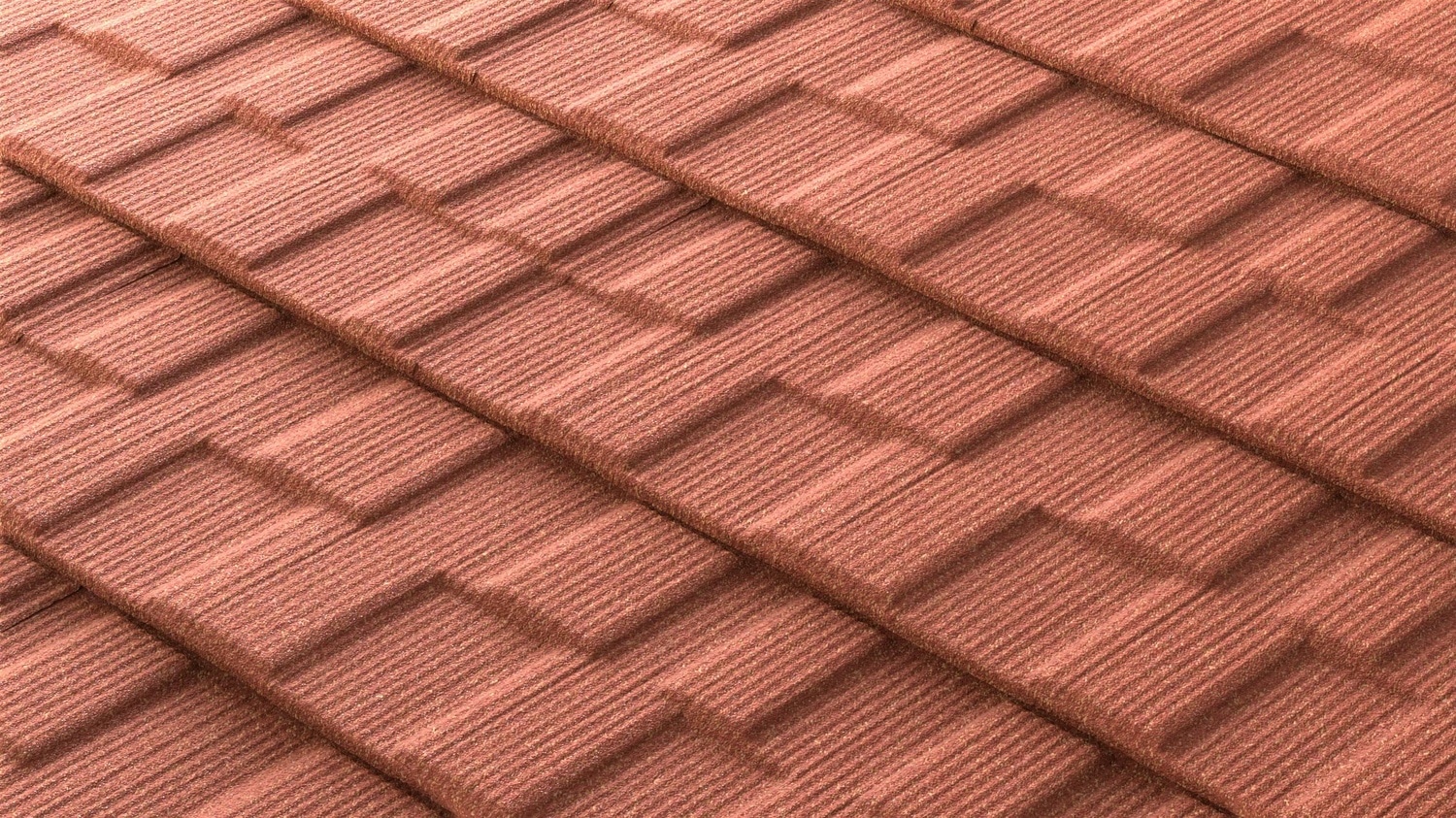
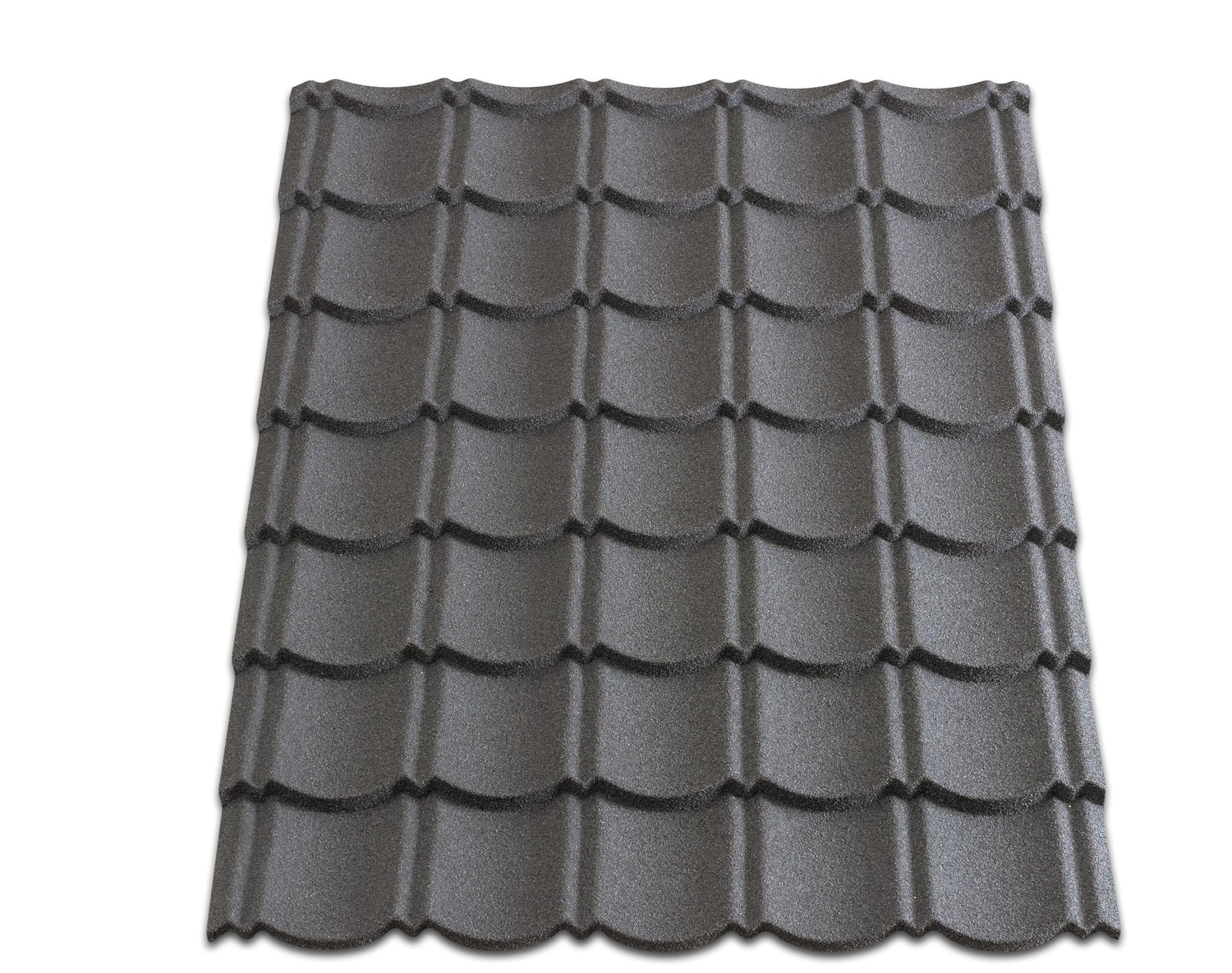
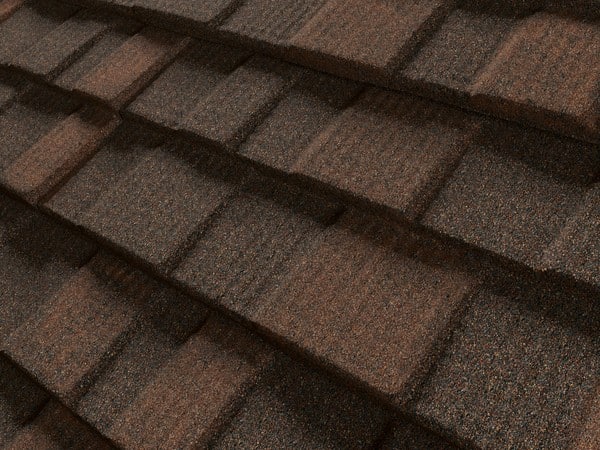
Because the new roof structure is built over the existing building, and is often still at a low-pitch, lightweight roofing materials are essential to avoid placing excessive load on the original structure. For this reason, lightweight tile systems are commonly specified, as they provide the appearance of traditional roof tiles while keeping structural weight to a minimum. This makes lightweight products like Metrotile particularly well suited for flat-to-pitch projects, from garage conversions to large scale residential blocks; delivering a durable, weather-resistant tiled roof without the heavy load associated with concrete or clay tiles.
Key Benefits Of Flat Roof
- Ideal for rooftop terraces, green roofs, solar panels, and maintenance access.
- A practical solution for commercial properties, apartments, schools, and retail buildings.
- Less prone to leaks, standing water, and membrane damage, lowering long-term maintenance costs.
- Lightweight roofing systems provide long-lasting protection without the weight of concrete or clay tiles.