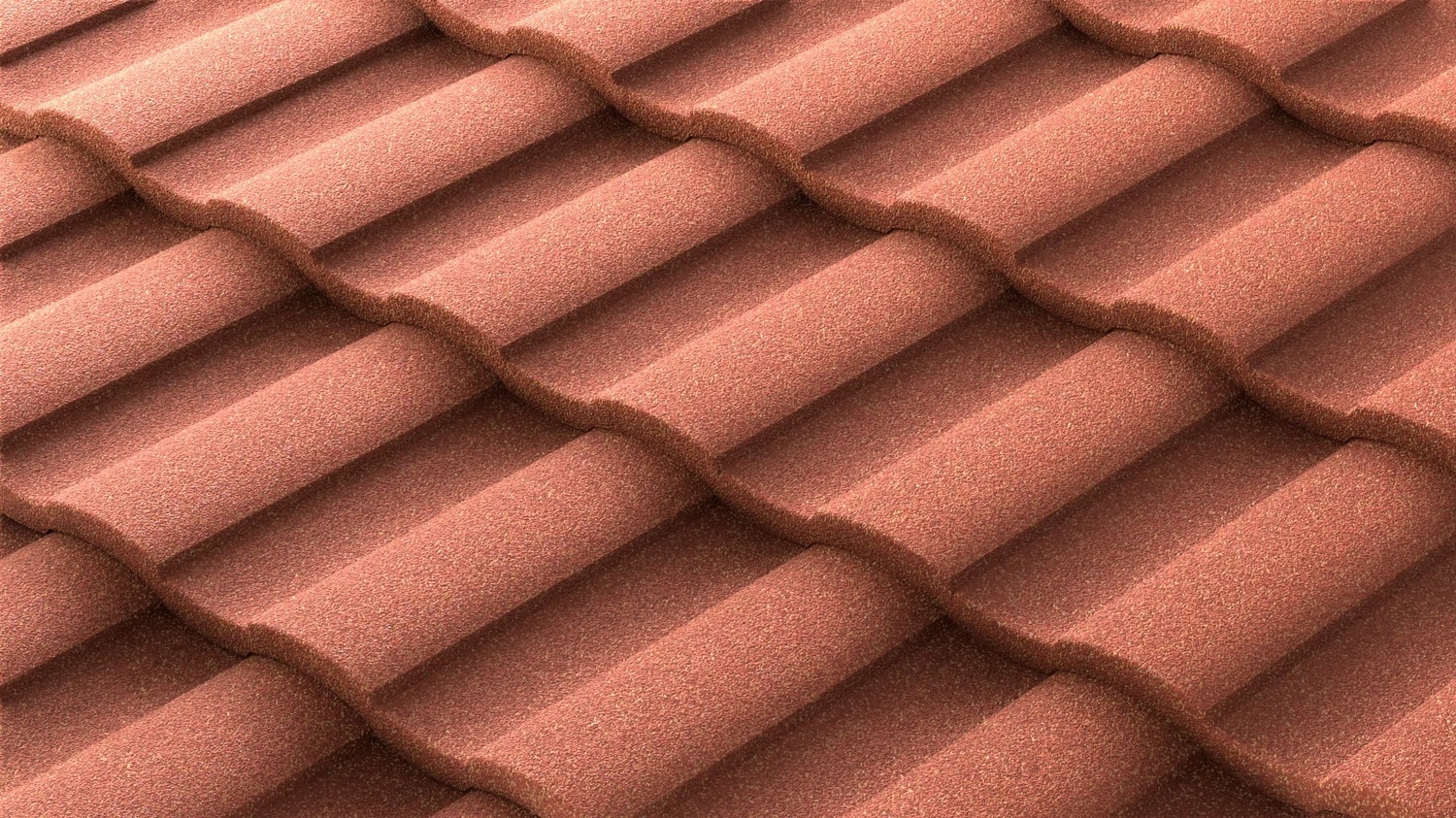
Roof Types
Vertical Cladding
Traditionally seen on character properties across parts of the UK, particularly in exposed coastal and rural areas, vertical tile hanging has long been used as both a practical and architectural feature. Today, it remains popular on everything from traditional homes to contemporary architectural projects.
Using roof tiles for vertical cladding can help break up plain wall finishes, add texture and visual interest, and create a seamless design where roof and wall coverings flow together using the same material.
As well as looking distinctive, vertical cladding provides another protective layer to the building envelope, helping shield walls from driving rain and harsh weather, a major benefit in exposed locations.
Why Are Hanging Roof Tiles Required?
Historically, hanging roof tiles were often used in areas prone to severe weather, where additional protection was needed on upper walls exposed to wind-driven rain. That practical purpose still applies today.
Tile hanging can help:
- Protect external walls from weather exposure
- Improve durability of rendered or masonry walls
- Add character and architectural detail
- Create continuity between roof and wall finishes
- Reduce maintenance compared to some alternative cladding materials
In some designs, vertical tile hanging is used to soften the transition between roof and walls, particularly on dormers, gable ends or upper storeys. In others, it becomes a defining architectural feature in its own right.
For modern buildings, vertical cladding with roof tiles is often chosen because it combines performance with appearance, delivering a façade that is both practical and visually striking.
When to Use Roof Tiles for Vertical Cladding
There are many situations where roof tiles for vertical cladding can be a smart design choice.
They are commonly used on:
- Gable ends
- Dormer cheeks
- Upper storeys of houses
- Contemporary extensions
- Coastal and exposed properties
Tile hanging is particularly effective when a building design calls for materials to continue from roof to wall, creating a unified aesthetic. It can also be an excellent solution where traditional timber or composite cladding may require more maintenance over time.
Architects often specify vertical hanging roof tiles where durability, low maintenance and weather protection are priorities, particularly in locations subject to harsh conditions.
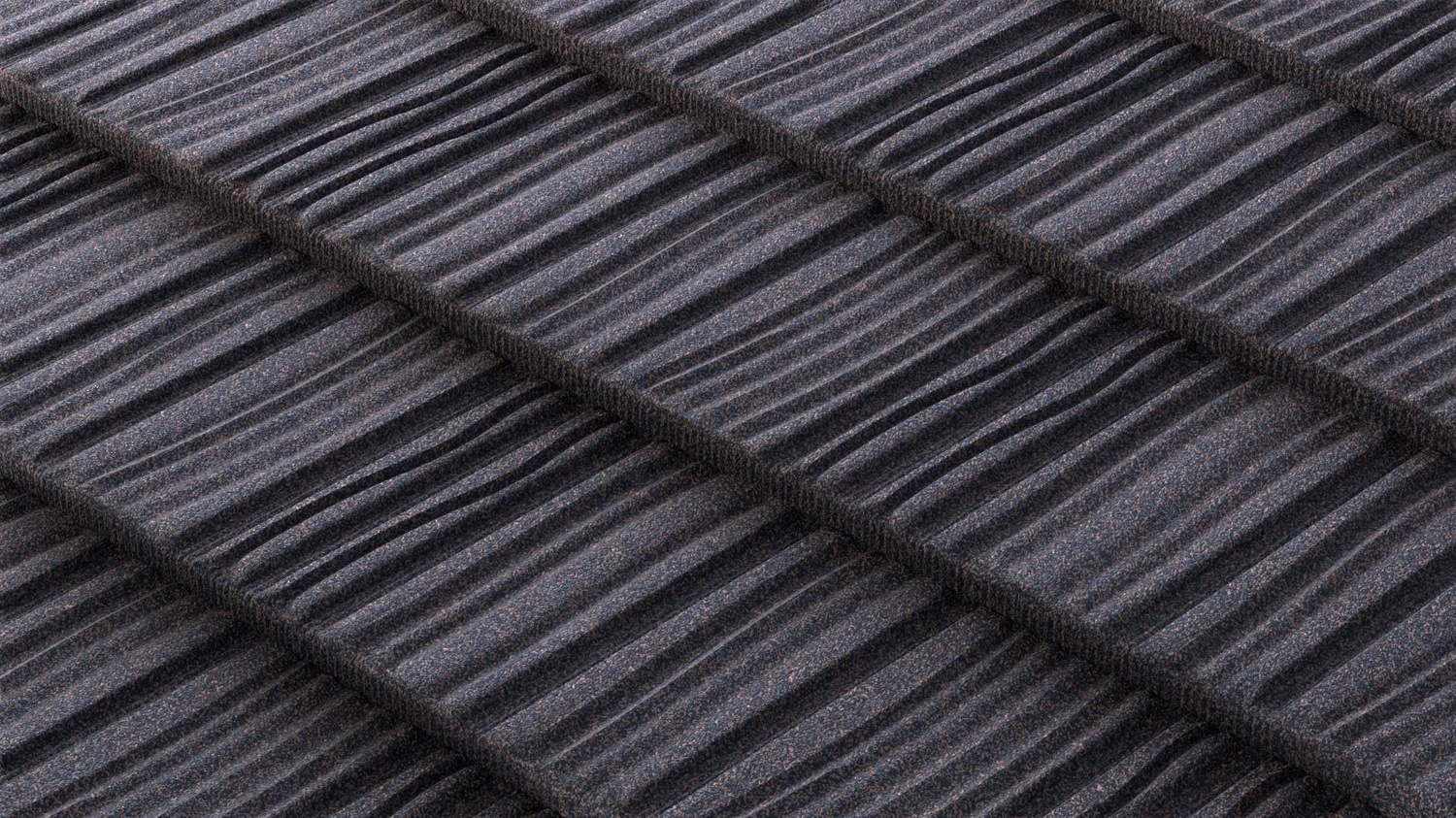
A key example of this being Mount Primary School in the coastal Wirral area, where Metrotile Shingle tiles were utilised on the facade in unison with the Metrotile Slate .900 tiles on the main roof area to provide additional protection and create a seamless transition between the roof and walled areas.
Vertical Tile Hanging Installation Details
Like any cladding system, vertical tile hanging installation relies on correct detailing to perform properly. Rather than fixing directly to the wall, tiles are typically installed over a supporting batten system with a breather membrane and suitable cavity arrangement behind, helping manage moisture and ventilation.
The tiles are then fixed in overlapping courses, much like roof installation, but adapted for vertical application where careful detailing is important around; corner and external angles, base detailing where cladding meets other materials and openings such as roof windows.
Proper support and secure mechanical fixing are essential, particularly because vertical applications rely entirely on fixings rather than gravity in the same way as a roof covering.
This is why choosing the right tile system matters, not every roofing product is suitable for vertical tile hanging. This is what makes lightweight roofing systems a great option, as for Metrotile Shingle, the installation process for vertical cladding is almost identical to that on a pitched roof, making it a simple, secure option.
Are There Any Disadvantages of Vertical Hanging Roof Tiles?
Like any cladding material, vertical hanging roof tiles have some considerations. Traditional clay or concrete tiles can be heavy, which may increase structural demands on the supporting wall and subframe. Installation can also be more detailed than some modern sheet or board cladding systems, particularly around corners, penetrations and junctions.
Other potential drawbacks may include:
- More complex installation detailing
- Increased structural loading with heavy traditional tiles
- Higher labour costs in some applications
- Potential maintenance issues if poorly installed
However, many of these concerns are largely reduced with modern lightweight systems and properly designed installation methods. In fact, many of the historical drawbacks associated with vertical tile hanging are often linked to older, heavier materials rather than modern alternatives.
Why Lightweight Roof Tiles Are the Perfect Choice for Vertical Cladding
This is where lightweight roof tiles really come into their own.
Because vertical cladding relies heavily on fixings and support structures, reducing weight is a major advantage. Lightweight steel roof tiles offer the appearance of traditional tile hanging while avoiding the structural load associated with heavier concrete or clay products.
Lightweight steel tiles offer several benefits for vertical tile hanging:
- Reduced load on supporting walls and battens
- Strong mechanical fixing and secure installation
- Excellent resistance to weather and corrosion
- Low maintenance and long service life
- Traditional tile aesthetics with modern performance
Systems such as Metrotile’s interlocking tiles are particularly effective because they combine lightweight construction with purpose-designed accessories and durable coatings, helping create a vertical cladding solution that performs as well as it looks.
Key Benefits of Vertical Cladding
- Adds texture, depth, and architectural character.
- Resists corrosion and performs for decades.
- Provides strong weather resistance with modern roofing technology.
- Ideal for dormers, gables, façades, and extensions.